What do you learn on a dog grooming course?
02 October 2026
For those interested in becoming a professional dog groomer, you might be wondering what the training courses will entail.
At D-O-G Grooming Studio, we offer a range of dog grooming courses that range from introductory half day taster sessions, through to City & Guilds and iPet qualifications that will set you up for life as a qualified dog groomer.
A typical dog grooming course involves much more than simply learning how to cut a dog's hair. While every course is different, here are some of the key areas you can expect to cover.
Understanding the different breeds and coat types
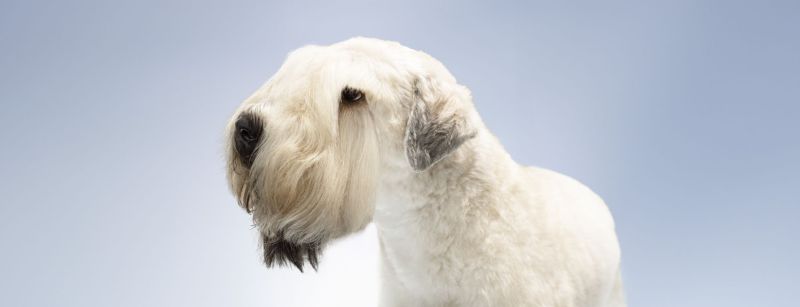
One of the first things you will discover is just how different one dog’s grooming needs are from another. Different breeds have different coat types, and understanding these is key to delivering a safe, hygienic and stylish groom.
During your training, you should learn how to assess a dog’s coat and determine the most appropriate grooming techniques for that particular dog.
Working with a variety of dogs during your training will give you valuable experience that will stand you in good stead throughout your career.
Preparing a dog for grooming
Before clipping or styling, the dog needs to be properly and safely prepared for grooming.
Preparation is an essential part of achieving a good finish and can include brushing, combing, dematting and assessing the overall condition of the coat before bathing.
You will learn how to prepare dogs safely and efficiently while becoming familiar with the tools and equipment you will need during this stage of the grooming process.
Bathing and drying
Bathing a dog professionally is a little different from giving your own dog a bath at home!
You will learn how to bathe dogs correctly, paying particular attention to the dog’s coat and condition.
Drying is equally if not more important. Good bathing and drying techniques make a considerable difference to the finished groom.
Brushing and de-matting
Brushing and coat maintenance form a major part of professional dog grooming. During your course, you’ll learn how to brush and comb different coat types and how to recognise common coat problems such as knotting or matting.
An important part of your training will be to understand when a coat can be worked through compared to when another approach will be more appropriate.
Clipping techniques
Clipping is one of the core practical skills you can expect to develop during your professional dog grooming course. Once you have learned how to handle the clippers safely, you’ll learn how to use the various blades, attachments and techniques.
Working with real dogs throughout your training will give you the opportunity to develop your technique and confidence under the supervision of experienced tutors.
Scissoring and styling
Scissoring is up there with clipping in terms of importance to a groomer.
You’ll learn how to use grooming scissors properly, as well as learning the various techniques you can use to add shape and finish to different areas of the dog.
Nail trimming
Nail trimming is another practical skill that is covered in most dog grooming courses. You will learn how to handle the dog’s paw safely, choose the appropriate equipment and trim nails carefully.
For some dogs, having their nails trimmed is an unpleasant experience, so you’ll need to know how to calm down a dog. Some may be completely relaxed, whereas others can be nervous, excitable or uncomfortable.
Safe handling
During your practical training, you should prioritise learning how to handle a dog's safety and how to recognise behaviours that may indicate stress or discomfort.
These skills will help you to adapt your approach to individual dogs while keeping animal welfare at the centre of the grooming process.
Health, safety and hygiene
Safe handling is just one part of the health and safety routines you will need to become au fait with.
Your training should cover learning about good salon hygiene routines that will keep you, your customers and their pets safe.
It might not be the first thing you think about when dreaming about a career in dog grooming, but they are an essential part of working professionally.
Recognising potential health concerns
Being a dog groomer is very different to being a vet, but you can serve as an extra pair of eyes to help spot potential issues.
Your training can help you to identify abnormalities of the skin, coat and general condition. If you notice something unusual, you should bring it to the attention of the owner so that they can seek the appropriate veterinary advice.
Knowing and remembering the limits of your professional role as a groomer is important; you should never seek to advise or treat conditions yourself.
Customer care and communication
It isn’t the dogs you’ll be communicating with; it is their owners. You’ll need to be able to understand the owner’s wants and needs, as well as being able to clearly communicate the suitability and feasibility of their requests.
Throughout the grooming process, you will also need to explain what you’ve done, why you’ve done it and how the owner should continue to look after the dog following the appointment.
Learning how to effectively communicate is of particular importance to dog groomers who intend to set up their own business or seek managerial roles within salons.
How to choose the right course for you
These have been general pointers that are likely to be included in the dog grooming course you decide to do. Exactly what you learn will depend on the training route you choose and what you want to achieve from it.
At D-O-G Grooming Studio Courses, our Half Day Taster Course is designed for those who want an introduction to professional dog grooming before committing to longer training.
For students looking to gain recognised qualifications, our City & Guilds Level 2 and Level 3 courses provide structured routes through professional dog grooming training. Beginners who want to progress through both levels can also undertake the combined City & Guilds Level 2 & 3 course.
The iPET Network Level 3 Diploma in Dog Grooming and Salon Management provides another route for those looking to develop professional grooming and salon management skills.
We also offer the D-O-G Intensive Course for students who want extensive practical salon training without following the structure of a formal qualification.
The right option will depend on your current experience, how you prefer to learn and where you want your dog grooming career to take you.
BLOGRecent Articles
10 tips to help you on your journey to becoming a qualified dog groomer
28 September 2026